Climate protection
Reducing the impact on the climate
How to face climate challenges? Aware that its activities have an impact on the climate, Fnac Darty is strengthening its governance and climate risk management system by implementing a dedicated strategy to rethink its activities in light of the major challenge of the 21st century. The Group has a low-carbon roadmap, aligned with the Paris Agreement, which aims to reduce emissions generated by transport and energy at its sites.
As part of this strategy, Fnac Darty also monitors emissions from its products and services and takes into account employee travel.
Some key figures
At the end of 2020
-
-41%CO2 generated per m2 by the energy of our sites
-
-11%CO2 generated per pallet transported from warehouse to store
-
-13%CO2 generated by last-mile delivery
-
14%Renewable energy in France
-
>95%Renewable energy in Europe (excluding France)
A strategic objective
By 2030
-
-50%CO2 emissions generated by transport and energy from our sites
Strengthened governance and strategy
Limiting the impacts associated with its activity has become a major challenge for the Group. To meet this challenge, Fnac Darty has considerably strengthened its governance system and has set itself a target for reducing its CO2 emissions in line with the Paris Agreement.
In order to steer this objective and monitor the implementation of its action plans, Fnac Darty created a quarterly Climate Committee in 2019, sponsored at the highest level by two members of the Executive Committee: the Group’s General Secretary and the Director of Services and Operations.
Climate representatives have been appointed in each department to measure the CO2 impact of their activities and build relevant performance indicators to steer their low-carbon roadmap.
Reducing the energy impact of our sites
The reduction of our energy consumption involves the installation of LED lights in stores and warehouses, and the implementation of Centralized Technical Management on our sites. In order to achieve the objective of reducing CO2 emissions, the Group is also increasingly sourcing energy from renewable sources, for its electricity and gas.
Fnac is committed to the development of renewable energy in France!
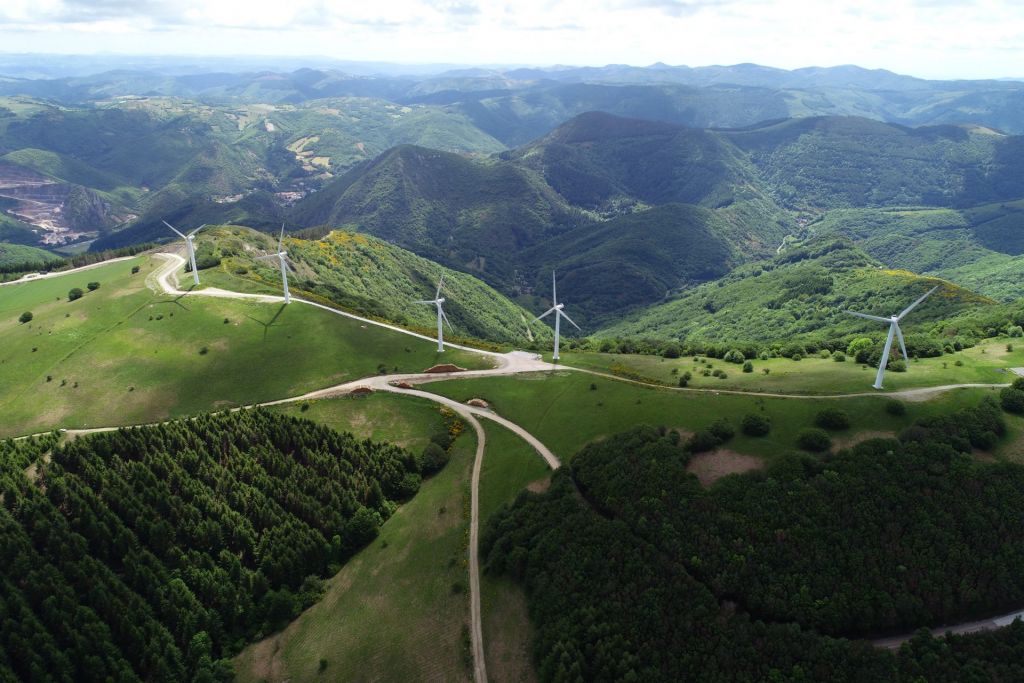
Since January 1, 2020, Fnac Darty has been sourcing its electricity directly from a wind farm located in the south of France. This power purchase agreement covered over 14% of the annual consumption of our French sites in 2020.
Limiting the impact of our goods transport
Every day, thousands of products pass between the Group’s warehouses, its 908 stores and its millions of customers. To limit the impact of this road transport on air quality and global warming, the Group is focusing its efforts on several levers:
— optimizing transport plans and the network of warehouses to limit the distances traveled by products;
— optimizing truck loading;
— giving preference to lower-emission vehicles, particularly in the Île-de-France region (100% of the supplies to our stores are delivered with trucks running on bio-NVG);
— developing multimodal transport.
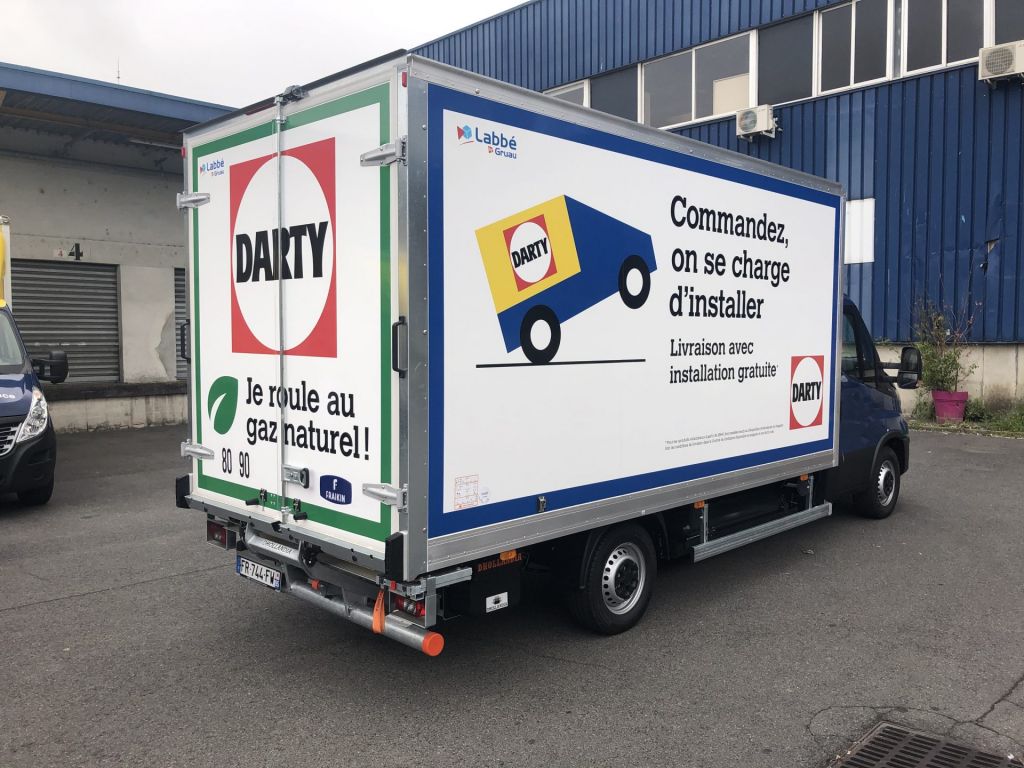
As a signatory of the Charter of Commitments for the reduction of the environmental impact of online commerce, Fnac Darty is committed to reducing the environmental impact of its packages by working on optimizing flows and packaging, but also by raising awareness among customers.
(PDF 278.3 KB)
Measuring and acting on our indirect emissions
As part of a continuous improvement approach, the Group is working to expand the measurement of its CO2 emissions to significant “scope 3” items. For Fnac Darty, this concerns: products sold, commuting between home and work, customer travel, as well as IT equipment and information systems.
For the first time in 2021, the Group was able to measure the impact of the new products it sold. This analysis took into account the entire life cycle of the product, from its manufacture to its transport, including customer travel to the store, the use of the product and its end-of-life.
In order to highlight the positive impact of our actions to extend the life span of products, we also study the “emissions avoided” by our repair activities and the sale of second-hand products.